


Know What's
In Your Water.
Every glass of water carries the memory of the land it passed through.
Some of what it picked up, you can't see.
Water remembers
every place it's been.
Before we show you what we test, you should understand why testing matters. This is the story your water carries — told in the order it happens.
Rain falls. It doesn't stop there.
Every drop that soaks into the ground begins a slow journey — through topsoil, through clay, through fractures in bedrock that have been there since before the county was settled. Along the way, it dissolves what it touches.
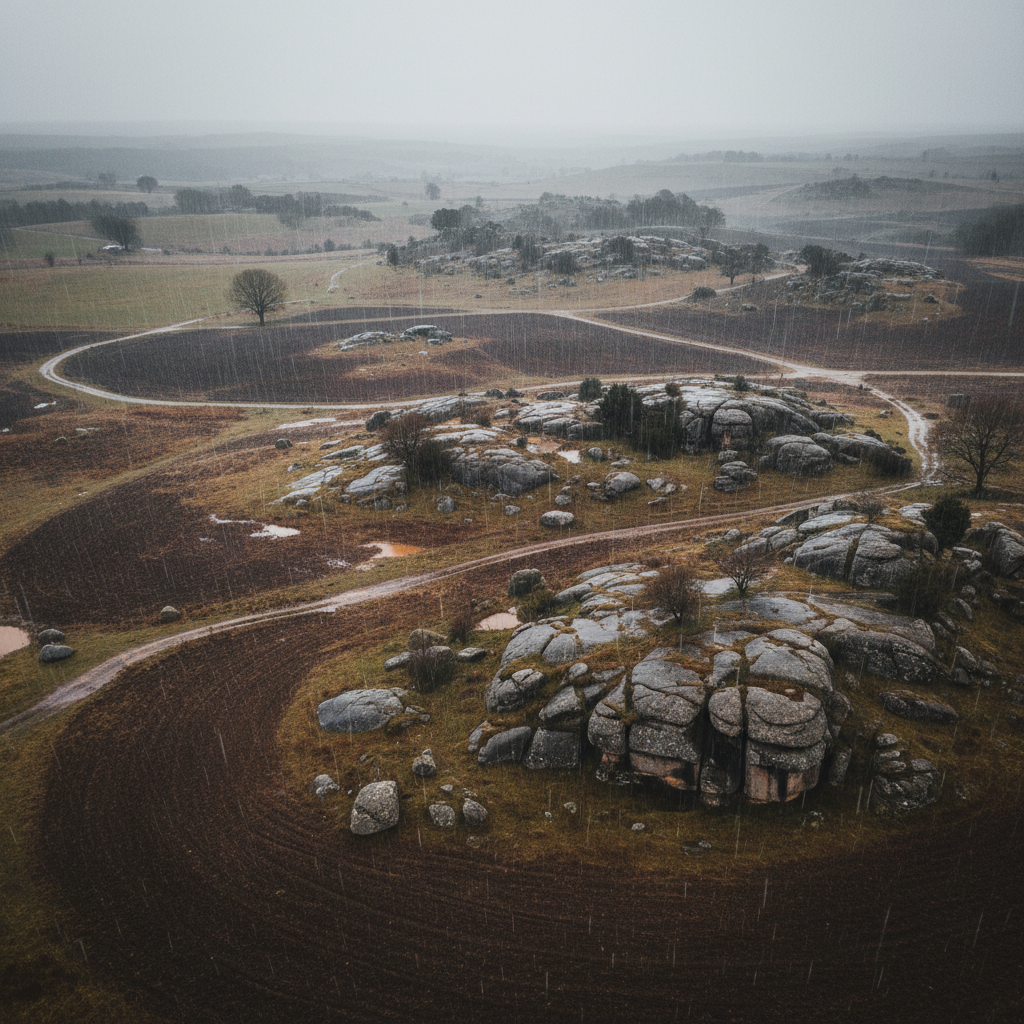
Rock is not inert. It gives.
Limestone releases calcium and magnesium. Granite releases arsenic. Shale releases barium. Iron seams leave their signature. None of this is contamination in the industrial sense — it's geology. But at certain concentrations, geology becomes a health concern.
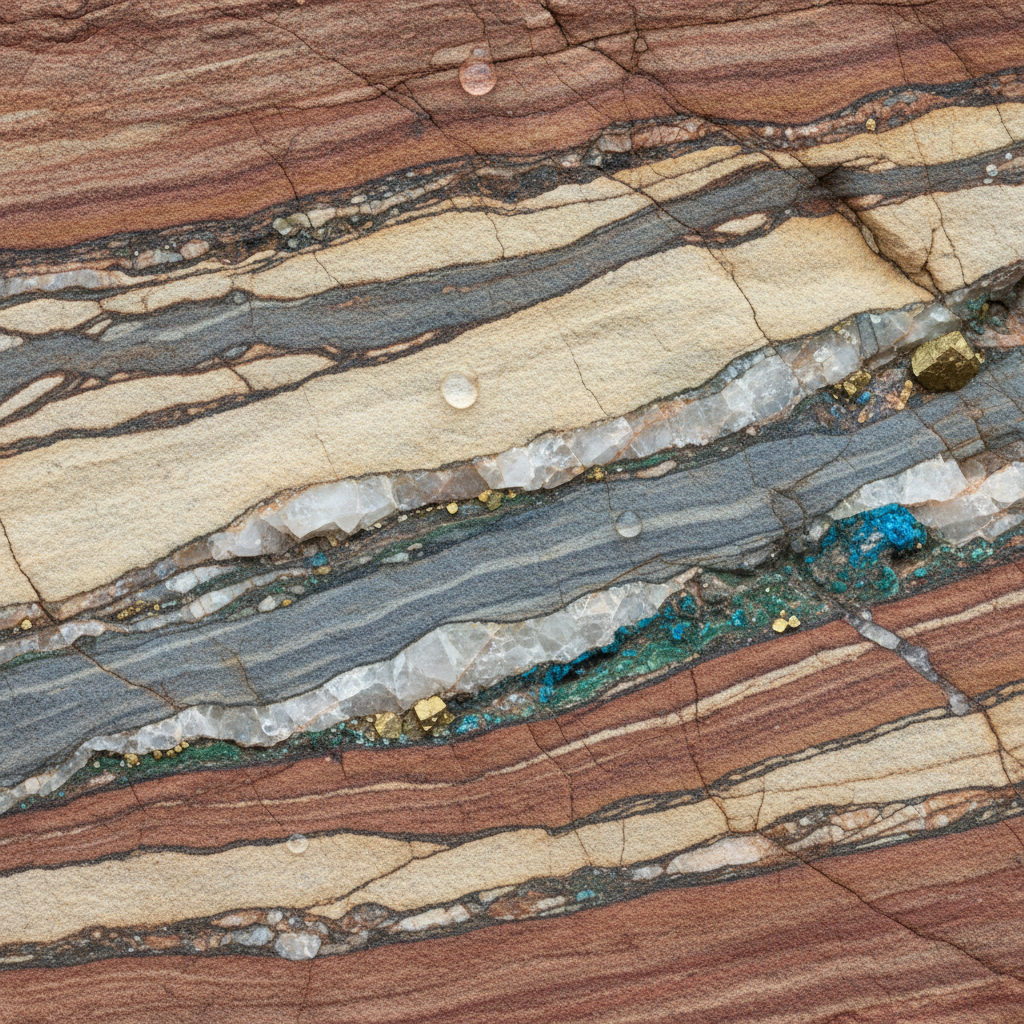
What the land adds that wasn't there.
Fertilizer applied in March is in the aquifer by June. A fuel tank that leaked in 1987 is still releasing benzene. Old pipes add lead. Septic fields add nitrates. The surface world and the water world are not separate — they share everything.
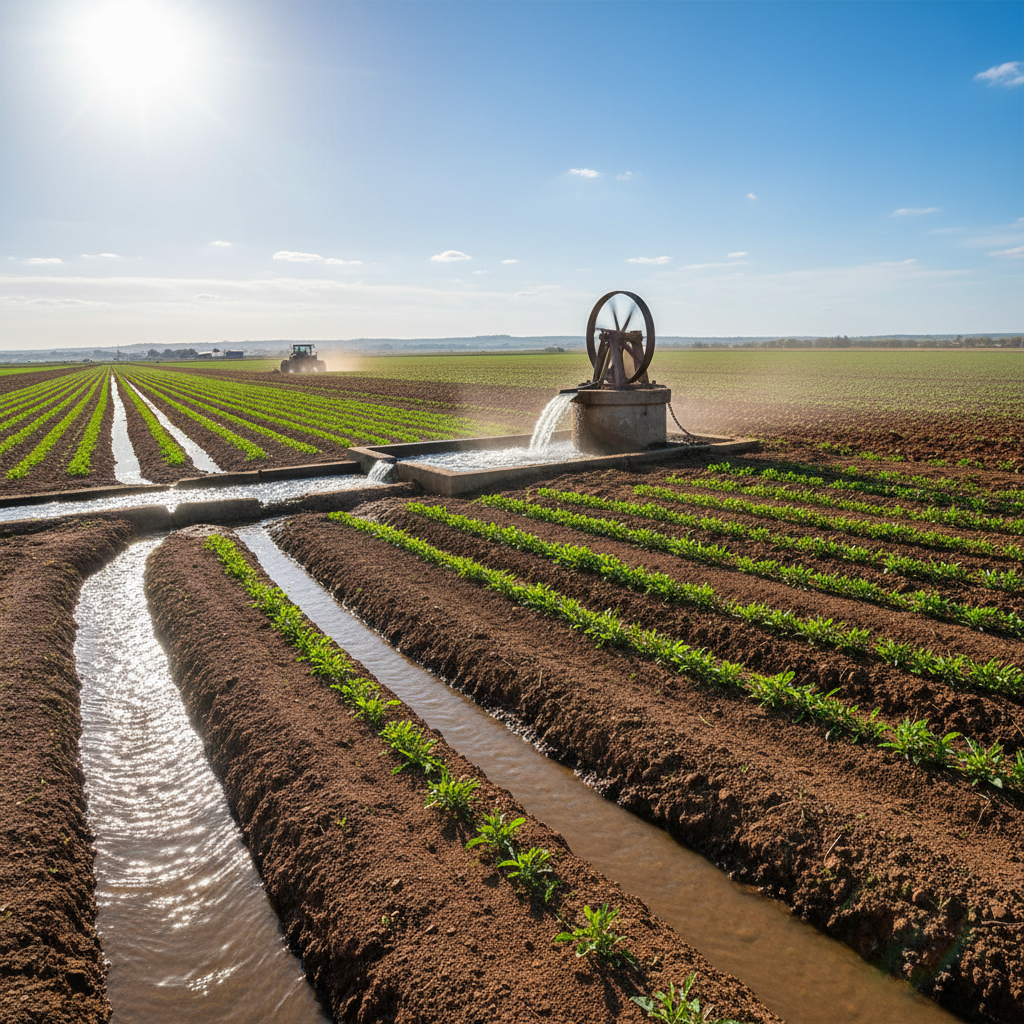
By the time it reaches the glass, it's been everywhere.
A private well has no treatment plant between the aquifer and your kitchen. No government agency tests it. No regulator checks it. That responsibility falls entirely to you — once a year, or when something changes, or right now.
Private well owners: no one tests your water but you.
Five threats.
One of them is probably in your water.
These are the contaminant classes we test in every panel — each one tied to a specific landscape, a specific source, and a specific risk. Understanding the threat is the first step to addressing it.
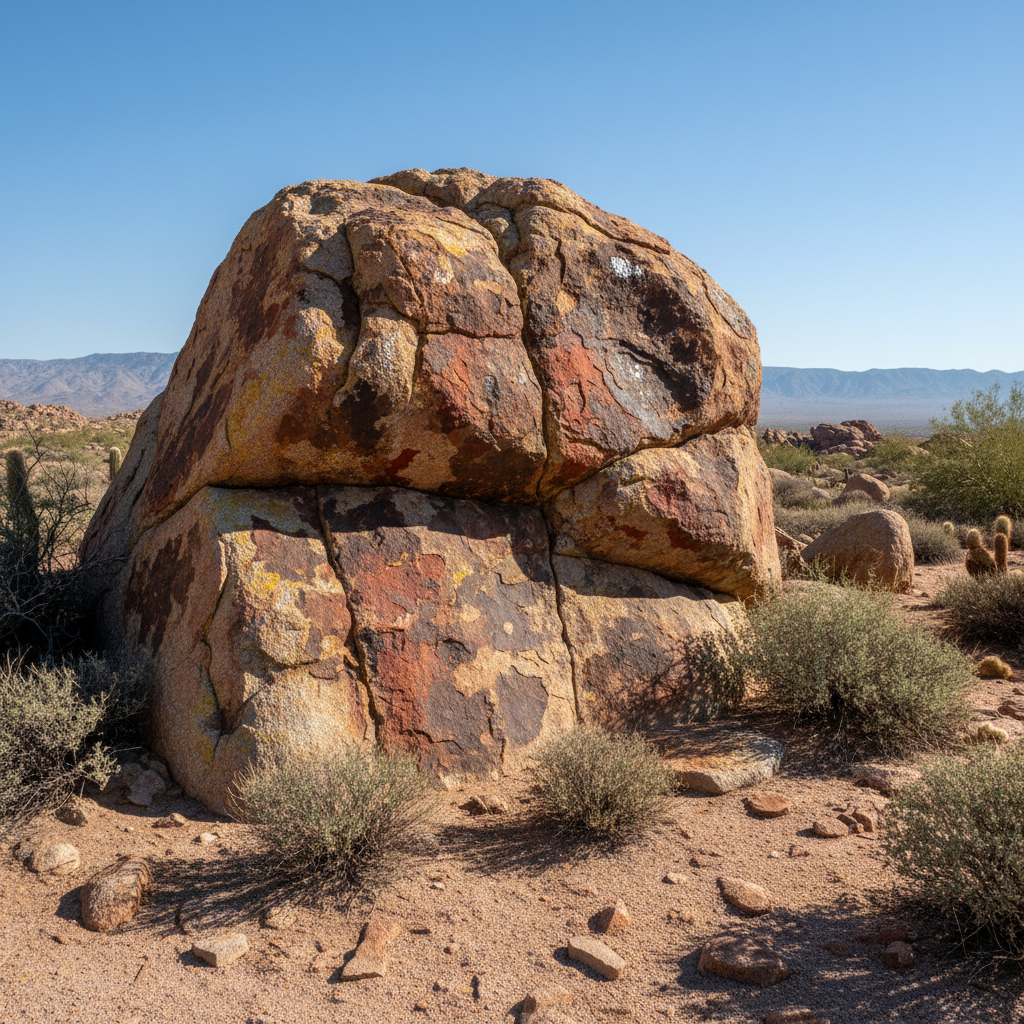
Arsenic
Comes from the rock, not the factory.
Naturally occurring in granite and sedimentary rock across the American West and Midwest. Tasteless, odorless, colorless. Carcinogenic at levels above 10 ppb. Detected in 1 in 8 private wells we test.
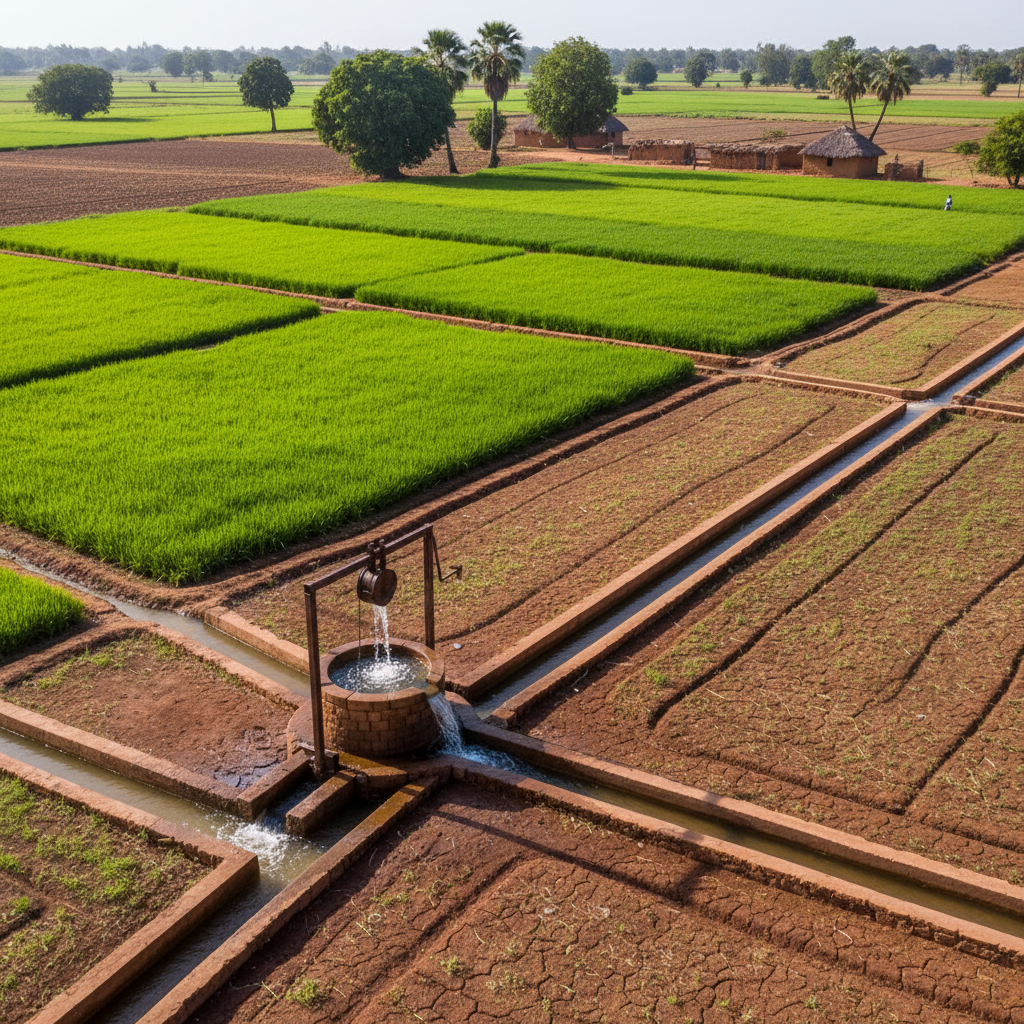
Nitrates
Fertilizer doesn't stay in the field.
Agricultural runoff is the leading source of nitrate contamination in rural wells. Dangerous for infants under 6 months. Often spikes after spring planting season.
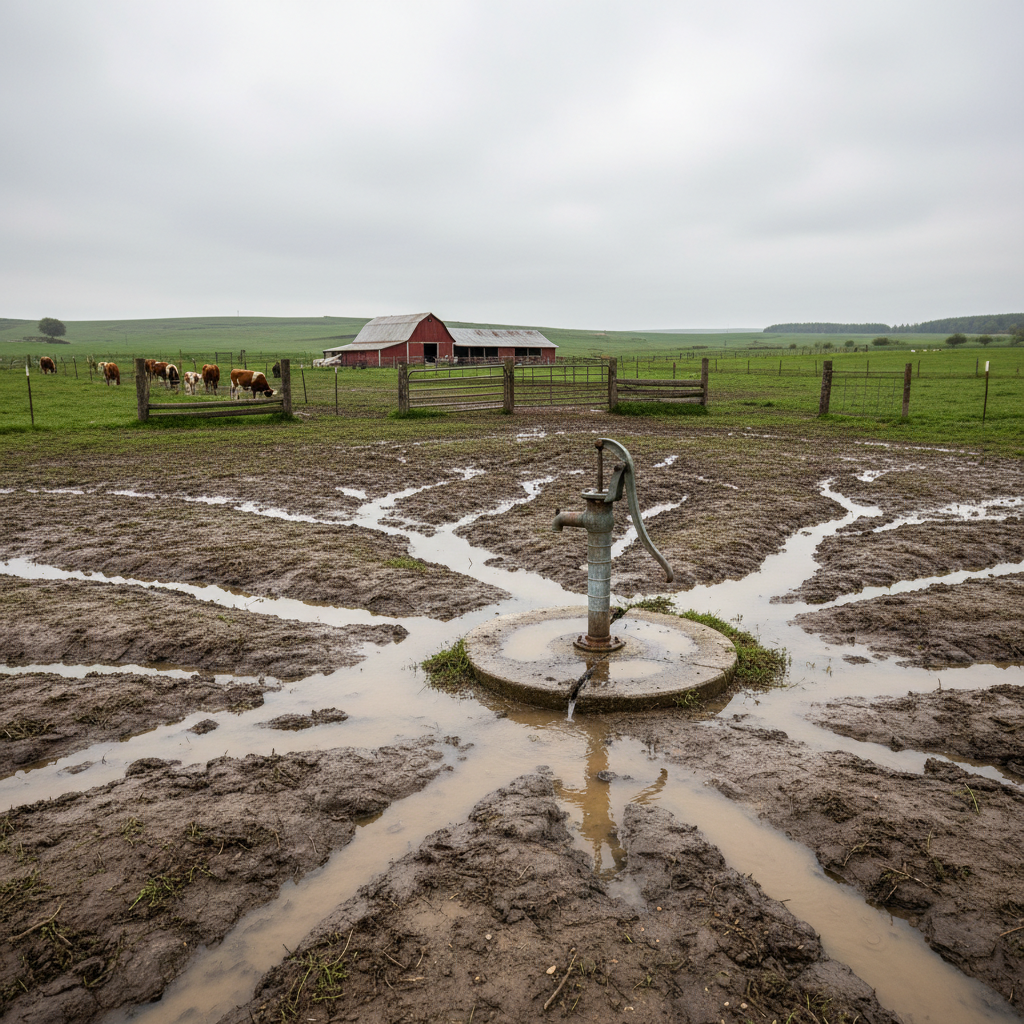
Coliform Bacteria
The most common well failure we find.
E. coli and total coliform indicate fecal contamination — from nearby livestock, failed septic systems, or compromised well casings. Causes acute illness. Found in 23% of first-time well tests we process.
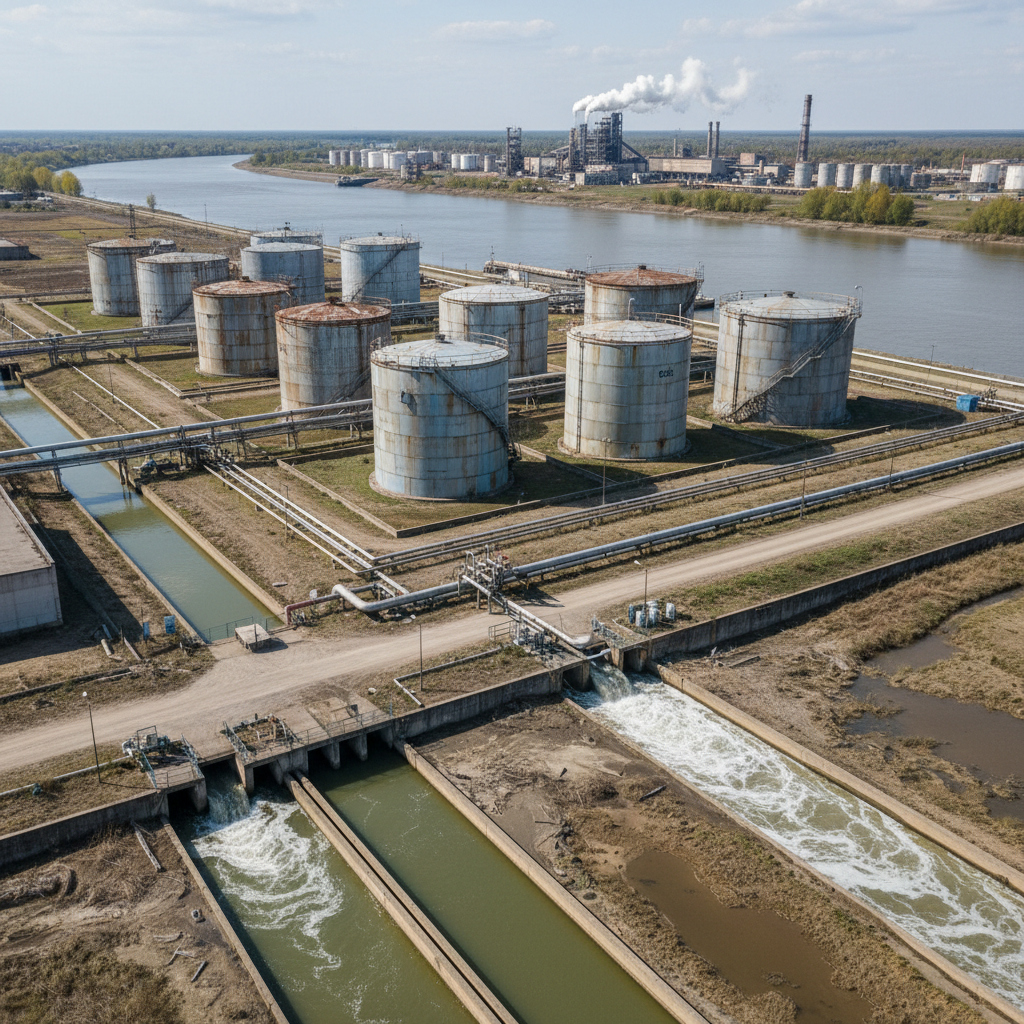
PFAS / Forever Chemicals
They don't break down. Not in the soil. Not in you.
Per- and polyfluoroalkyl substances from fire suppression foam, industrial coatings, and landfill leachate. Linked to thyroid disease, kidney cancer, and immune suppression. New EPA maximum: 4 parts per trillion.
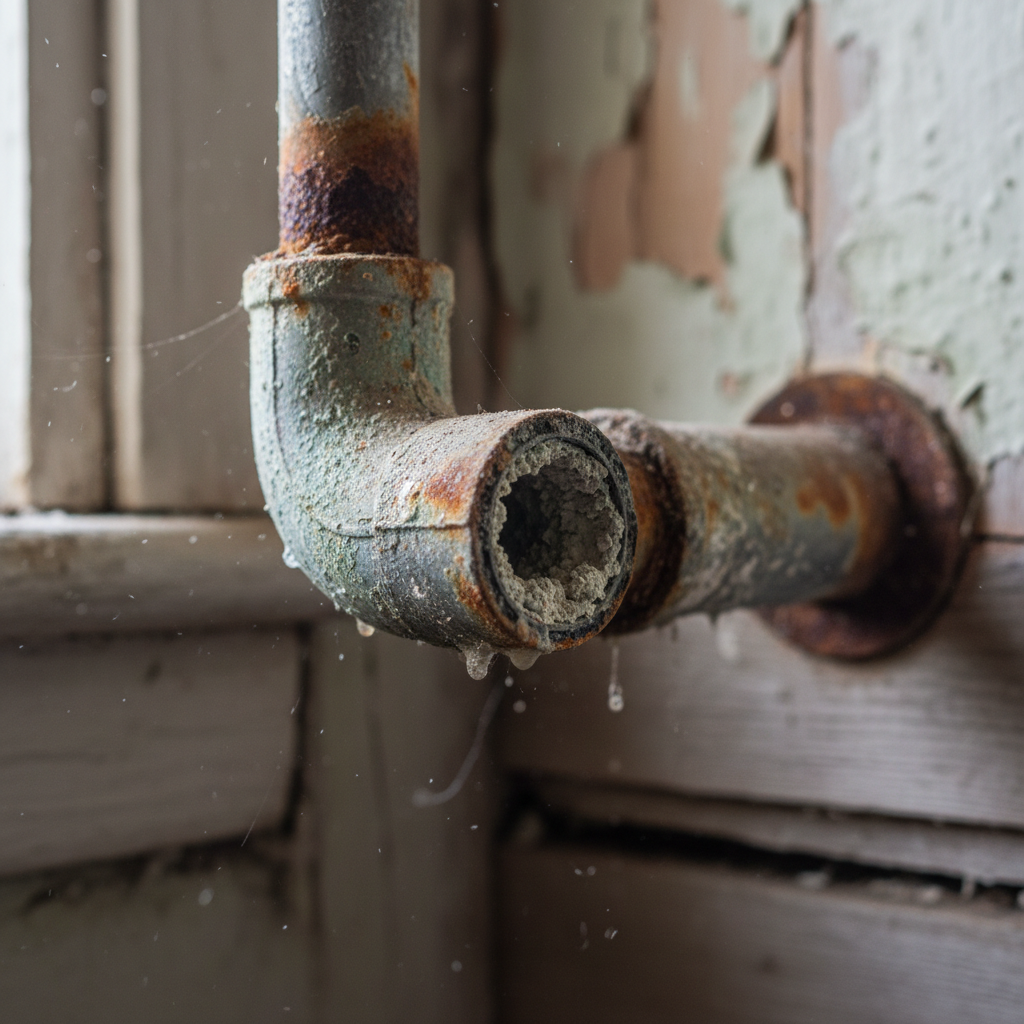
Lead
Old pipes remember what they carried.
Homes built before 1986 may have lead solder in plumbing. Lead doesn't come from the aquifer — it leaches from your own pipes. No safe level exists for children.
Our full panel tests for 87 parameters — including heavy metals, VOCs, pesticides, and radiological contaminants.
Three reasons
people test their water.
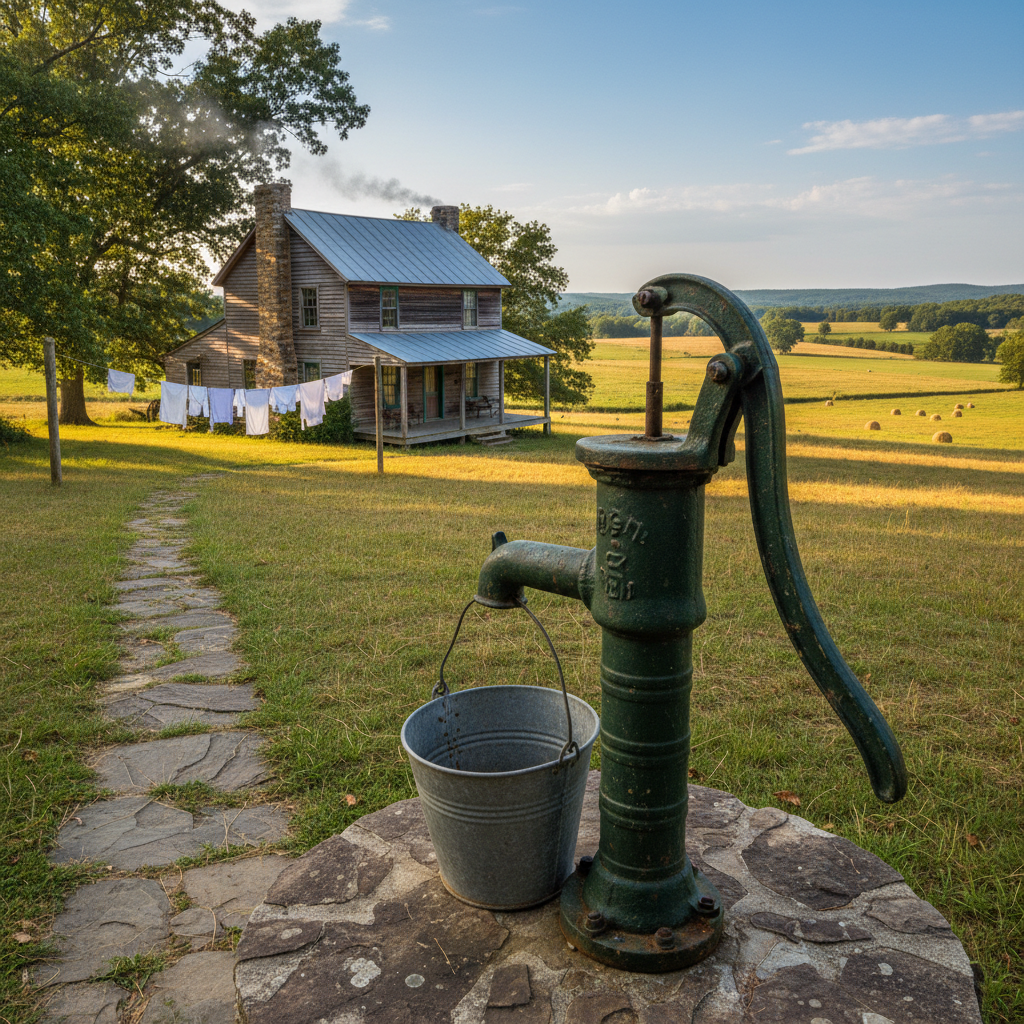
You inherited the land. Don't inherit what's in the water.
Private well owners have no municipal safety net. The EPA doesn't test your well. The county doesn't test your well. That means the family drinking from it — including the kids — is drinking whatever the aquifer holds. Most rural well owners have never tested. Of those who have, 1 in 4 found something that required action.
1 in 4 wells we test exceeds at least one EPA guideline

Clear the water. Close the deal.
Water quality issues are the #1 cause of failed rural property transactions. A failed test two days before closing costs everyone. Our certified lab reports are accepted by lenders, title companies, and buyers' attorneys in all 50 states. Results in 5 business days — fast enough for any timeline.
Accepted by 340+ lenders and title companies nationwide
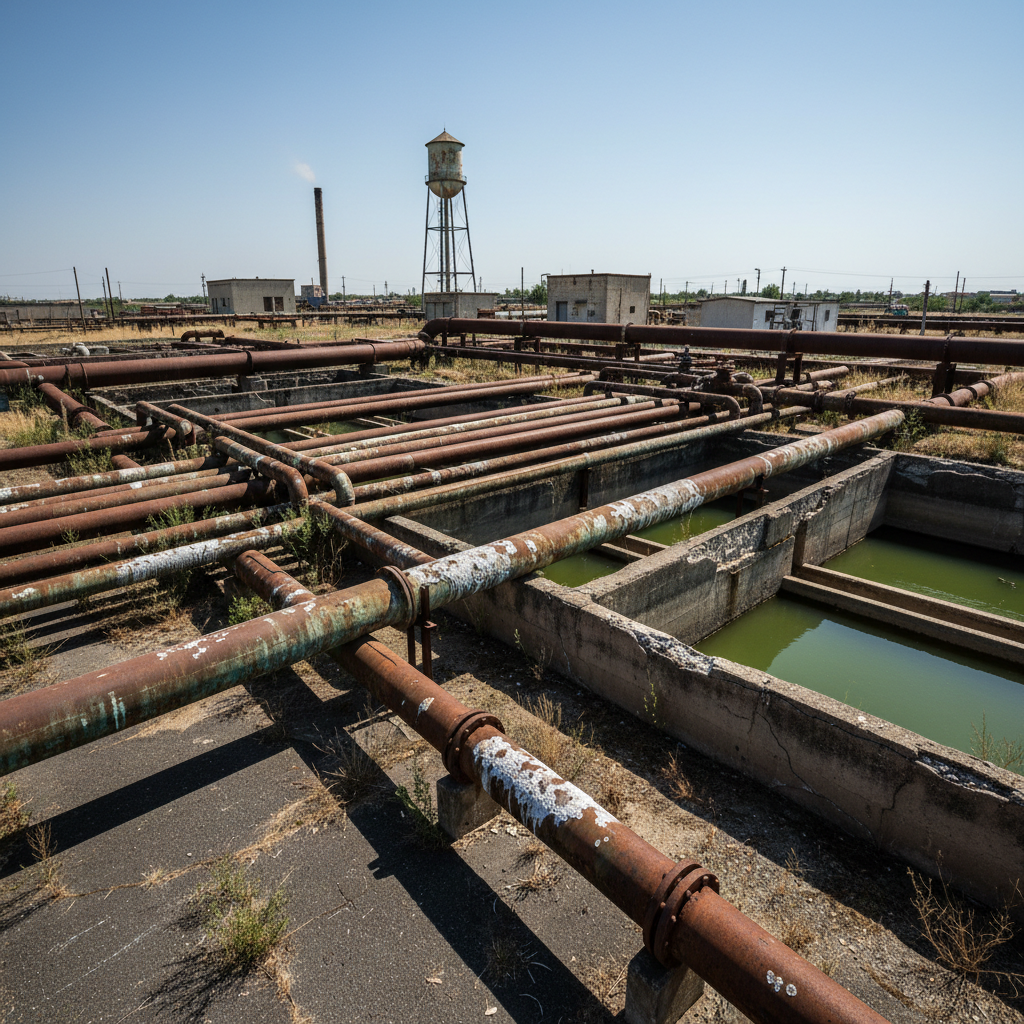
Aging pipes don't announce violations. They accumulate them.
Municipal systems built before 1990 carry infrastructure risk that compliance testing alone can't capture. Our supplemental monitoring programs identify emerging contamination patterns — PFAS migration, lead service line leaching, disinfection byproduct accumulation — before they become reportable violations.
Supporting 47 municipal systems across 12 states
Tests processed
Counties served
Wells with violations found
Average turnaround
Choose the panel
that fits the threat.
Now that you understand what water carries, you can choose what to test for. Every panel includes a certified lab report and a plain-language summary written for humans, not chemists.
Essential Well Screen
The baseline every private well needs. Bacteria, nitrates, and the most common regional threats.
- Total Coliform & E. coli
- Nitrates & Nitrites
- Arsenic
- pH, Hardness, Iron
- Lead & Copper
- Plain-language results report
Best for: Annual well maintenance, first-time testing
Comprehensive Safety Panel
The full picture. 54 parameters covering everything from geology to agriculture to industrial legacy.
- Everything in Essential, plus:
- Full heavy metals panel (18 elements)
- Volatile Organic Compounds (VOCs)
- Pesticide & herbicide screen
- Fluoride, Manganese, Barium
- Hardness & mineral profile
- Certified for real estate transactions
Best for: Real estate transactions, new property owners, annual comprehensive check
PFAS & Emerging Contaminants
For properties near former industrial sites, military bases, or airports. Tests for the newest EPA-regulated threats.
- Full PFAS panel (40+ compounds)
- 1,4-Dioxane
- Chromium-6
- Perchlorate
- Radiological screen (Ra-226, Ra-228)
- Full heavy metals & VOC panel
- Expert consultation call included
Best for: Properties near industrial sites, military installations, or airports
Ready to know
what's in your water?
Tell us about your water source and we'll recommend the right panel. Takes two minutes. Results in five days.
Test My Water
We'll match you with the right panel and send a collection kit within 2 business days.
What's Lurking In Rural Wells
24-page field guide
A county-by-county breakdown of the most common contaminants found in private wells across the American West and Midwest. Includes EPA thresholds, health effects, and treatment options written for homeowners, not chemists.
- Natural arsenic risk by state and geology
- Agricultural nitrate contamination maps
- PFAS hotspots near military installations
- When to test, what to look for
- Treatment options and cost ranges
Lab Credentials
EPA-Certified Laboratory
Cert #AZ-0392847
NELAP Accredited
National Environmental Lab Accreditation
Accepted in all 50 states
Including real estate transactions
Chain of custody documentation
Legally defensible results
“We tested before closing on our ranch property in Tooele County. Arsenic came back at 18 ppb — well above the EPA limit. We negotiated a treatment system into the sale price. Aquifer's report held up in escrow without any issues.”
Donna Ashworth
Buyer, Tooele County, Utah · Real estate transaction
Private well owners: 1 in 4 wells we test exceeds an EPA guideline.